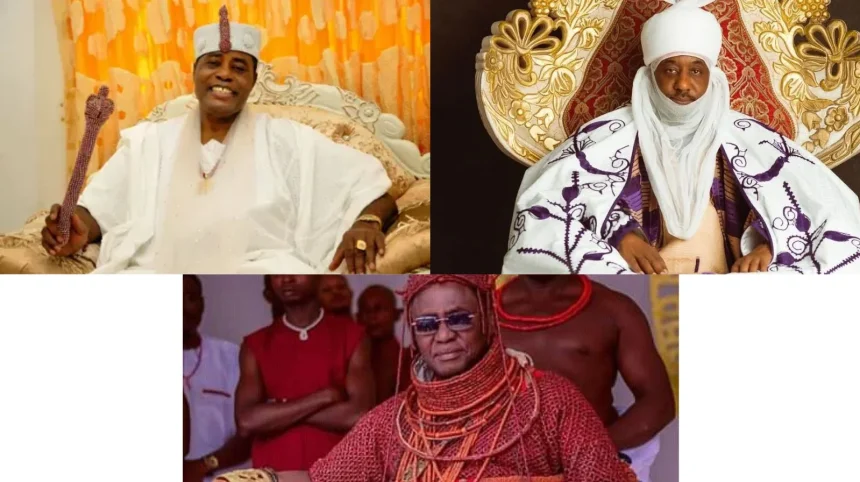
The richest king in Nigeria 2026 shows how traditional authority combines with modern business success. Nigerian monarchs are not just ceremonial figures. They are powerful business leaders who control vast wealth through oil companies, real estate, and strategic investments.
From the ancient kingdoms of Benin and Ife to the Islamic caliphate of Sokoto, these traditional rulers maintain their cultural heritage while building impressive business empires. They receive traditional tributes, own valuable ancestral lands, and run modern companies worth millions of dollars.
In 2026, Nigerian kings continue playing vital roles in their communities. They preserve culture, settle disputes, and drive economic development. Their combined wealth proves that traditional monarchy thrives in modern Nigeria.
Top 10 Richest Kings in Nigeria 2026 – Quick List
- Oba Fredrick Obateru Akinruntan – $300 million (Oil & Gas, Real Estate)
- Sultan Muhammadu Sa’ad Abubakar IV – $100 million (Real Estate, Agriculture)
- Emir Sanusi Lamido Sanusi II – $80 million (Banking, Investments)
- Ooni of Ife, Oba Adeyeye Ogunwusi – $75 million (Real Estate, Hospitality)
- Oba of Benin, Oba Ewuare II – $60 million (Ancestral Lands, Investments)
- Obi of Onitsha, Igwe Nnaemeka Achebe – $50 million (Banking, Business)
- Olu of Warri, Ogiame Atuwatse III – $50 million (Energy, Finance)
- Oba of Lagos, Rilwan Akiolu – $40 million (Real Estate, Traditional Levies)
- Oba Saheed Elegushi – $10 million (Real Estate, Construction)
- Dein of Agbor, Benjamin Ikechukwu – $10 million (Ancestral Lands, Traditional Assets)
How We Found the Richest King in Nigeria
We focused on traditional rulers with significant personal wealth. These are monarchs who built business empires or inherited substantial assets. We checked their companies, real estate holdings, and verified investments carefully.
Our wealth estimates come from Forbes Africa reports, Nigerian business publications, and royal disclosure statements. We looked at oil businesses, real estate portfolios, banking interests, and traditional assets as of February 2026.
Top 10 Richest Kings in Nigeria 2026
1. Oba Fredrick Obateru Akinruntan – $300 Million
Oba Fredrick Obateru Akinruntan is the richest king in Nigeria with wealth of $300 million. Born in Ondo State, he is the Olugbo of Ugbo Kingdom. Forbes ranked him as Africa’s second richest king in 2014, behind only Morocco’s King Mohammed VI.
Oba Akinruntan built his fortune through Obat Oil, one of Nigeria’s largest privately owned oil companies. The company operates in the downstream sector, focusing on oil trading, storage, and distribution across Nigeria and West Africa.
How He Built His Wealth:
- Obat Oil handles petroleum product trading worth billions
- Oil storage facilities across Southwest Nigeria
- Distribution networks in multiple states
- Luxury real estate in Lagos, Abuja, and Ondo State
- Manufacturing and hospitality investments
- Agricultural ventures
Luxury Lifestyle: The Olugbo of Ugbo Kingdom lives lavishly. He acknowledged buying a wristwatch worth $1 million. His car collection includes Rolls-Royce Phantom, Bentley Continental GT, and Mercedes-Benz S-Class. His palace in Ugbo features modern amenities and traditional architecture.
2026 Business: Obat Oil continues expanding operations. New storage terminals opened in 2025. The company supplies petroleum products to major Nigerian cities. His real estate portfolio grows with luxury hotels and commercial properties.
2. Sultan Muhammadu Sa’ad Abubakar IV – $100 Million
Sultan Muhammadu Sa’ad Abubakar IV has wealth of $100 million. He is the 20th Sultan of Sokoto and spiritual leader of over 90 million Nigerian Muslims. Born on August 24, 1956, he became Sultan in November 2006 after his brother’s death.
Before becoming Sultan, Muhammadu Sa’ad Abubakar served in the Nigerian Army. He retired as Brigadier General after leading the Armoured Corps that protected military ruler General Ibrahim Babangida in the late 1980s.
His Wealth Sources:
- Vast landholdings across Sokoto Caliphate
- Traditional tributes from district heads
- Real estate in Abuja, Kaduna, and Sokoto
- Agricultural investments in livestock and crops
- Government stipend as Sultan of Sokoto
- Business partnerships across Northern Nigeria
Religious Influence: The Sultan’s position makes him Nigeria’s most influential Muslim leader. His opinions shape Islamic practice across Nigeria. Presidents, governors, and business leaders seek his counsel. This influence brings enormous economic opportunities.
Community Development: Sultan Sa’ad Abubakar focuses on education and poverty alleviation. His foundation builds schools and hospitals across the North. He champions peace and religious tolerance throughout Nigeria.
3. Emir Sanusi Lamido Sanusi II – $80 Million
Emir Sanusi Lamido Sanusi II built $80 million through banking and economics. Born on July 31, 1961, in Kano State, he became the 14th Emir of Kano in 2014. He was deposed in March 2020 but reinstated as the Emir of Kano in 2024 after a High Court judgment.
Before becoming Emir, Sanusi served as Governor of the Central Bank of Nigeria from 2009 to 2014. He exposed the $20 billion oil revenue controversy that shook the Jonathan administration.
Business Background:
- Former Central Bank Governor (2009-2014)
- Senior banking executive at First Bank
- Economics degree from Ahmadu Bello University
- Master’s degree in Economics
- International banking experience
- Investment portfolio worth millions
Intellectual Reputation: Sanusi is Nigeria’s most intellectual traditional ruler. He speaks fluent English, Arabic, and Hausa. He writes scholarly articles on economics and Islamic finance. International media frequently interviews him on African economic issues.
Controversial Leadership: His outspoken nature often creates controversy. He criticized government corruption fearlessly. His $20 billion oil revelation led to his Central Bank removal. As Emir, he challenged conservative practices, supporting girls’ education and women’s rights.
4. Ooni of Ife, Oba Adeyeye Ogunwusi – $75 Million
Oba Adeyeye Enitan Ogunwusi has wealth of $75 million. Born on October 17, 1974, in Ile-Ife, Osun State, he became the 51st Ooni of Ife in December 2015. At 51 years old, he is one of Nigeria’s youngest major traditional rulers.
Before ascending the throne, Oba Ogunwusi was a successful real estate developer. He founded several companies including Gran Imperio Group, which built luxury estates across Nigeria.
His Business Empire:
- Royal African Holdings (real estate and energy)
- Imperial Homes Mortgage Bank
- Howard Roark Gardens Limited (luxury estates)
- Ile-Ife Grand Resorts (tourism and hospitality)
- Ojaja Investments (private equity)
- Agricultural ventures across Osun State
Real Estate Success: Oba Ogunwusi developed over 2,500 housing units across Nigeria before becoming Ooni. His Jacob Mews Estate and Lakeview properties remain profitable. He trained as a chartered accountant, giving him strong financial skills.
Cultural Revival: The Ooni transformed Ile-Ife into a tourist destination. He renovated the royal palace, now called the “White House.” He promotes Yoruba culture globally through international partnerships. His foundation empowers youth and women across Nigeria.
Six Wives: In September-October 2022, Oba Ogunwusi married six wives within two months. This sparked national conversation about polygamy and traditional practices. He has two children including Adeola Aanuoluwapo Ogunwusi, an entrepreneur.
5. Oba of Benin, Oba Ewuare II – $60 Million
Oba Ewuare II Ogidigan has wealth of $60 million. Born on October 20, 1953, he became the 40th Oba of Benin in October 2016. He presides over one of Nigeria’s most ancient and culturally rich kingdoms.
Before becoming Oba, Ewuare II served as Nigerian Ambassador to Angola and Sweden. He holds a Ph.D. in Administrative Studies from Rutgers University, USA. His international experience gives him unique perspectives on governance.
Wealth Sources:
- Vast ancestral lands across Edo State
- Traditional tributes during annual ceremonies
- Over ₦100 million in gifts annually during homage
- Real estate investments in Benin City and Lagos
- Agricultural lands producing cash crops
- Tourism revenue from Benin artifacts and culture
Cultural Heritage: The Benin Kingdom possesses priceless artifacts. Bronze sculptures, ivory carvings, and historical treasures worth millions. Many artifacts were looted during British colonization in 1897. The Oba leads efforts to retrieve these treasures from European museums.
Modern Monarch: Despite traditional roles, Oba Ewuare II embraces modernity. He uses technology to preserve Benin history. His palace archives digitize ancient records. He promotes education and youth empowerment across Edo State.
6. Obi of Onitsha, Igwe Nnaemeka Achebe – $50 Million
Igwe Nnaemeka Alfred Achebe has wealth of $50 million. Born on May 14, 1941, he became the 21st Obi of Onitsha in May 2002. At 84 years old, he is one of Nigeria’s most educated and cosmopolitan traditional rulers.
Before ascending the throne, Igwe Achebe had an illustrious corporate career. He served as Executive Director at Shell Petroleum Development Company. He later worked in Nigeria’s banking industry at senior levels.
Corporate Background:
- Executive Director at Shell Petroleum
- Senior positions in Nigerian banking sector
- Chancellor of Ahmadu Bello University, Zaria
- Master’s degree from Columbia University, New York
- Fellow of Nigerian Institute of Management
- International business experience spanning decades
Onitsha Kingdom: Onitsha is one of Nigeria’s major commercial cities. The annual Ofala Festival attracts thousands of people. Rich Igbo businessmen pay homage, bringing substantial gifts. The Obi receives traditional tributes from trading communities.
Educational Advocate: Igwe Achebe champions education vigorously. He established scholarships for brilliant students. His palace runs youth empowerment programs. He encourages Igbo culture while embracing Western education.
7. Olu of Warri, Ogiame Atuwatse III – $50 Million
Ogiame Atuwatse III has wealth of $50 million. Born Utieyinoritsetsola Emiko on April 2, 1984, he became the 21st Olu of Warri in August 2021. At 41 years old, he is Nigeria’s youngest major traditional ruler.
Before becoming Olu, Atuwatse III worked in energy and finance sectors. He graduated from Case Western Reserve University, USA, with degrees in Economics and International Studies. He later earned an MBA from London Business School.
Business Background:
- Senior positions in oil and gas industry
- Financial services experience
- Investment portfolio across sectors
- Inherited royal assets and properties
- Real estate in Lagos, Abuja, and Warri
- Strategic business partnerships
Modern Education: Ogiame Atuwatse III represents modern educated monarchy. His international education gives him global perspectives. He speaks eloquent English and understands Western business practices. He uses social media to engage young people.
Community Focus: The young Olu prioritizes youth empowerment. He runs skills acquisition programs. His foundation provides scholarships and business grants. He promotes peace in the Niger Delta region.
8. Oba of Lagos, Rilwan Akiolu – $40 Million
Oba Rilwan Babatunde Osuolale Aremu Akiolu has wealth of $40 million. Born on June 29, 1943, he became the 21st Oba of Lagos in May 2003. At 82 years old, he reigns over Nigeria’s economic capital.
Before becoming Oba, Rilwan Akiolu served as Assistant Inspector-General of Police. His law enforcement career spanned decades. He retired as one of Nigeria’s highest-ranking police officers.
Wealth Sources:
- Traditional levies from Lagos businesses
- Real estate across Lagos Island and mainland
- Tributes from wealthy Lagos residents
- Government stipend as Oba of Lagos
- Ancestral lands in prime Lagos locations
- Business investments across sectors
Lagos Influence: As Oba of Lagos, Akiolu wields enormous influence. Lagos generates ₦600 billion internally annually. Major businesses seek his blessing. Politicians consult him before major decisions. His palace receives constant streams of visitors bearing gifts.
Controversial Statements: Oba Akiolu often makes controversial statements. He warned Igbos in Lagos before elections. He publicly criticized governors and politicians. His outspoken nature creates both admirers and critics.
9. Oba Saheed Elegushi – $10 Million
Oba Saheed Ademola Elegushi has wealth of $10 million. Born on September 10, 1976, he became the Elegushi of Ikate-Elegushi Kingdom in 2010. At 49 years old, he is one of Lagos State’s youngest monarchs.
Before becoming king, Oba Elegushi was involved in construction and real estate businesses. His youth and energy bring modern approaches to traditional leadership.
Business Interests:
- Real estate development in Lagos
- Construction companies handling projects
- Luxury hotels and event centers
- Property management services
- Entertainment industry investments
Young Monarch: Oba Elegushi represents Nigeria’s new generation of traditional rulers. He uses Instagram actively. He attends social events. He mixes traditional duties with modern lifestyle. Young people relate to his contemporary approach.
Elegushi Kingdom: The kingdom covers valuable Lagos coastal areas. Lekki and Victoria Island fall within his domain. Rising property values increase his wealth. Beach resorts and luxury estates generate revenue.
10. Dein of Agbor, Benjamin Ikechukwu – $10 Million
His Royal Majesty, Benjamin Ikechukwu Kiagborekuzi, the Dein of Agbor, has wealth of $10 million. Born on July 17, 1977, he became king at age 15 in 1993, making him one of Nigeria’s youngest monarchs ever crowned. At 48 years old, he has reigned for over 30 years.
Wealth Sources:
- Inherited ancestral lands across Delta State
- Traditional tributes and levies
- Real estate investments
- Cultural influence generating income
- Business partnerships
- Agricultural lands
Young Ascension: Becoming king at 15 was unprecedented. He balanced education with royal duties. He studied in Nigeria and abroad. His long reign gives him unique experience and perspective.
Cultural Preservation: The Dein of Agbor maintains Agbor cultural heritage. He preserves traditional festivals and practices. He modernizes governance while respecting traditions. His palace promotes education and youth development.
Why Nigerian Kings Are Wealthy
The richest kings in Nigeria benefit from multiple wealth sources:
Traditional Sources:
- Tributes from subjects (40% of traditional income)
- Ancestral lands passed down generations (30%)
- Traditional levies from businesses (20%)
- Gifts during festivals and ceremonies (10%)
Modern Business:
- Oil and gas companies
- Real estate development
- Banking and finance
- Agriculture and livestock
- Manufacturing businesses
Strategic Advantages:
- Political influence opens business doors
- Community loyalty provides capital
- Ancestral lands appreciate in value
- Government stipends and support
- International connections and partnerships
Inherited Wealth:
- Ancient kingdoms passed down assets
- Accumulated treasures worth millions
- Valuable artifacts and cultural items
- Prime urban land holdings
- Business empires from predecessors
How Kings Make Money in Modern Nigeria
1. Real Estate Development
Many kings own prime urban land. They develop luxury estates, hotels, and commercial properties. Rising property values increase their wealth significantly.
2. Oil and Gas Business
Kings in oil-producing regions benefit enormously. They own oil companies or receive oil blocks. Traditional rights to land provide negotiating power with oil companies.
3. Traditional Levies
Businesses operating in kingdoms pay traditional levies. Market traders, hotels, and companies contribute. In major cities like Lagos and Onitsha, this generates millions annually.
4. Government Support
State governments pay traditional rulers monthly stipends. First class kings receive substantial amounts. They also get official vehicles, security, and palace maintenance funds.
5. Gifts and Tributes
During festivals and ceremonies, wealthy subjects give generous gifts. Politicians seeking support donate money. Businessmen seeking blessings contribute substantially. Annual homage ceremonies generate significant income.
6. Agriculture and Livestock
Kings in Northern Nigeria own vast cattle ranches. They control agricultural lands producing crops. Traditional rulers in Middle Belt regions own yam farms and other agricultural ventures.
7. Investment Portfolios
Modern kings invest in stocks, bonds, and businesses. They own shares in banks, telecoms, and manufacturing companies. International investments diversify their wealth.
Frequently Asked Questions
Oba Fredrick Obateru Akinruntan is the richest king in Nigeria with $300 million. He made his fortune from Obat Oil, one of Nigeria’s largest privately owned oil trading companies. Forbes ranked him Africa’s second richest king.
The Ooni of Ife, Oba Adeyeye Ogunwusi, has a net worth of $75 million in 2026. He built his wealth through real estate development, hospitality businesses, and strategic investments before becoming king in 2015.
Yes, Nigerian traditional rulers receive monthly stipends from state governments. First class kings receive substantial amounts, while lower-ranked rulers get smaller stipends. However, these government payments form only a small part of their total income.
Lagos Kingdom is arguably the richest due to its location in Nigeria’s commercial capital. The Oba of Lagos benefits from traditional levies on businesses, prime real estate, and enormous economic activity. However, oil-rich Ugbo Kingdom’s wealth is more concentrated in its monarch.
Yes, Nigerian kings can own businesses. Many monarchs were successful businessmen before ascending thrones. They continue managing their companies while fulfilling traditional duties. Some kings serve as company chairmen or have family members run businesses.
Selection methods vary by kingdom. Some use rotation among royal houses. Others use kingmakers who select from qualified princes. Requirements include royal bloodline, age, character, and sometimes wealth. State governors issue certificates of recognition.
Traditional rulers pay taxes on personal businesses and investments. However, their palaces and traditional duties are exempt from taxation. Royal stipends from government may also receive tax exemptions depending on state laws.
Nigerian kings have cultural, not constitutional, power. They cannot make laws or arrest people. They settle disputes through traditional courts. They advise government on community issues. Their influence comes from respect, not legal authority.
Conclusion: Traditional Wealth Meets Modern Business
The richest kings in Nigeria 2026 prove that traditional monarchy thrives in modern times. From Oba Akinruntan’s $300 million oil empire to the Ooni of Ife’s $75 million real estate portfolio, these monarchs blend heritage with entrepreneurship.
Nigerian kings are not just ceremonial figures. They are business leaders, investors, and community developers. They preserve culture while driving economic progress. They settle disputes while building hotels. They perform rituals while managing oil companies.
The wealth of Nigerian monarchs comes from multiple sources. Ancient lands appreciate in value. Traditional tributes generate income. Modern businesses create millions. Government support provides stability. This diversified wealth creation ensures financial security.
Some kings inherited wealth but most built fortunes through personal effort. The Ooni of Ife developed estates before becoming king. Oba Akinruntan founded Obat Oil. Emir Sanusi governed the Central Bank. Their business acumen transformed inherited positions into modern wealth.
Regional differences affect royal wealth. Southern kings benefit from oil and urban real estate. Northern rulers control vast agricultural lands. Each region provides unique opportunities for wealth creation.
As Nigeria grows, traditional rulers will remain influential. Their kingdoms contain valuable resources. Their communities respect their authority. Their businesses continue expanding. Future generations will inherit both tradition and wealth.
The success stories of Nigeria’s richest kings inspire respect for traditional institutions. They show that cultural heritage and modern success can coexist. With good business sense, strategic investments, and community support, Nigerian traditional rulers will continue prospering.
Young princes watching these monarchs learn valuable lessons. Education matters—many wealthy kings hold advanced degrees. Business experience helps—corporate backgrounds benefit royal duties. Community service counts—respected kings prioritize their people’s welfare.
The richest kings in Nigeria 2026 represent Africa’s ability to preserve tradition while embracing modernity. Their wealth proves that ancient kingdoms can thrive in contemporary times.
Also, You can read my other articles on Messages
120+ Happy New Month Prayers & Wishes
120+ Heart Touching Good Morning Love Messages for Him & Her
120+ Sweet Good Morning Messages to Make Her Smile